
Why We Phase AI Work Instead of Running It Open-Ended
This post used to be about mixing waterfall and agile on software projects. The underlying argument has aged better than the vocabulary, and it applies more sharply to AI work than it ever did to a website build.
The argument is this: plan enough up front to know what you are committing to, then work in short cycles inside that commitment. Neither pure approach survives contact with a real business.
Why open-ended is worse here than elsewhere
A website has a natural finish line. Everyone can see the pages, and there is a launch.
Automation does not have that. There is always one more workflow. The scope of “automate our operations” is unbounded by definition, which means an hourly arrangement with no defined end is an arrangement where nobody has to decide anything. Six months later the spend is real and the answer to “is it working” is complicated.
The other reason is more specific to this work. A lot of what makes automation valuable is not the building, it is finding out how the business actually runs. That discovery reliably changes what should be built. A plan that cannot absorb that is wrong, and a project with no plan at all cannot be priced.
What we do instead
Discovery, one to two weeks, fixed price. We sit with the people who actually do the work, not only the owner, and write down how things really happen. What comes out of it is a systems inventory, a list of candidate workflows in priority order, and a clear statement of what a person should approve versus what can run unattended. You own that document regardless of what happens next.
It is also the honest checkpoint. Sometimes discovery shows the problem is a process nobody wrote down rather than anything needing software. We would rather find that in week two than month five.
Phase one, one or two workflows, fixed price. Not a pilot and not a proof of concept. One or two things you use every day, shipped with their approval gates, their runbook and their captured knowledge. It ends with the workflow running in your business, not with a demo.
A decision point. At the end of phase one you decide whether to do another phase, move to an ongoing arrangement, or stop. Stopping is a real option and you keep what was built.
What phasing costs you
Being fair about the trade: it is slower to start than “just get going,” and it front-loads a couple of weeks of unglamorous conversation before anything visibly happens. Some people find that frustrating.
It also means we occasionally scope something, get into discovery, and recommend less work than was originally discussed. That is a feature from where you sit and it is worth knowing it happens.
The part that does not change
Inside each phase we work in short cycles, show you things as they are working rather than at the end, and expect to adjust. The commitment is to the phase, not to a specification written before anyone learned anything.
That is what the old post meant by hybrid, and it still holds. Enough plan to make a decision, enough flexibility to be useful.
If you want to see how this maps onto pricing and what each phase covers, it is on our approach page. Or get in touch and we can talk through what a first phase would look like for you.

Operational AI
Why Companies Are Blowing Their AI Budgets by May
This week, Uber's President and COO, Andrew Macdonald, said the company burned through its entire 2026 AI coding tools budget in just four months.
Operational AI
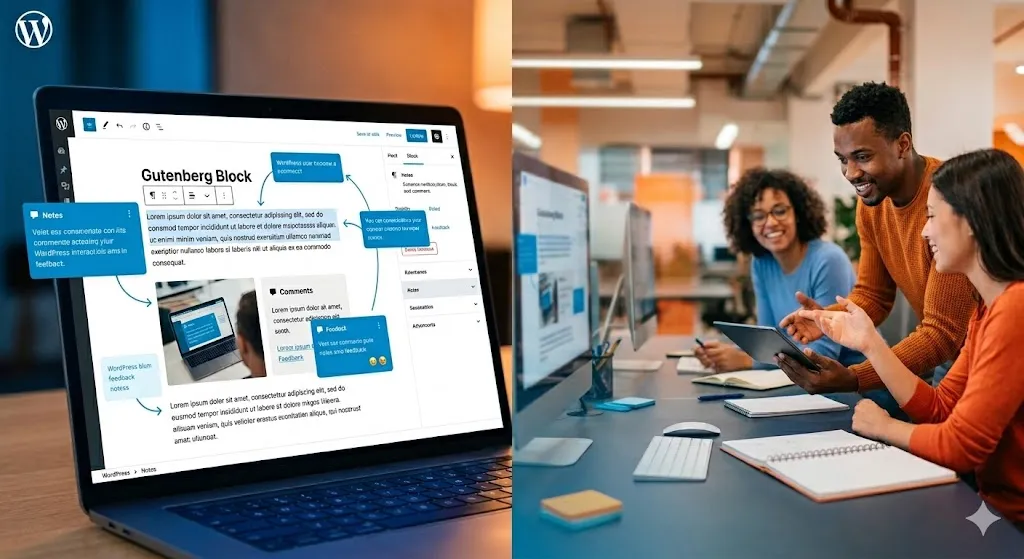
WordPress 7.0: How Real-Time Collaboration and AI Infrastructure Change Your Marketing Workflows
WordPress 7.0 launches April 9. Discover how real-time collaboration, AI connectors, and modern workflow tools can streamline your marketing team. What's coming and why it matters now.

Building Software
Phase 4: Scale and Operate — How to Run a Product That’s Built to Last
Phase 4 is where a validated product becomes a durable business. Learn how to operate, monetize, and evolve a product that's built to last.